
You have 0 items in your cart
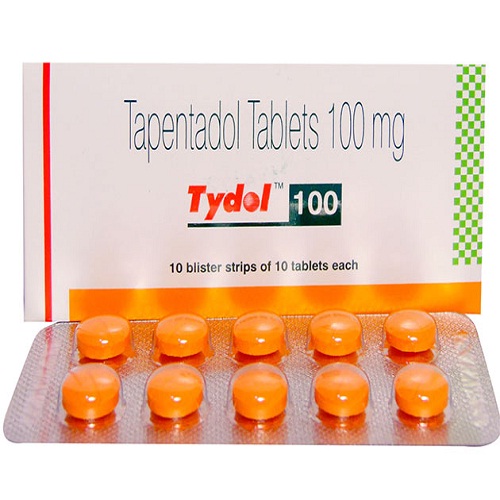
Tapentadol 100mg is a potent opioid painkiller. It is a risk to stop abruptly and experience unpleasant withdrawal-related symptoms. Medical professionals employ specialized strategies for managing this issue in a safe manner. In this article, we will discuss seven essential methods to Tapentadol 100mg withdrawal. Learning these will help people prepare for the discontinuation. Make sure you are in close contact with your doctor.
1. Gradual Dose Tapering Over Weeks
Most commonly, the method used is to reduce dose slowly. Doctors lower the dose between 10 and 25 percentage every week. This helps prevent sudden shocks on the nerve system. Patients have less and less withdrawal-related symptoms. It can take a couple of weeks or even a few months. The speed of treatment is dependent on duration and dose. Do not abruptly stop taking tapentadol without medical guidance.
2. Individualized Tapering Plans for Each Patient
Each patient reacts differently to dosage reductions. The doctor creates a custom tapering plan to suit the individual patient. Some factors include the current dose along with treatment duration, as well as general health. Certain patients require lower doses as compared to other patients. The flexibility of the plan will ensure greater patient comfort and acceptance. Regularly scheduled check-ins enable plan changes when necessary. This method reduces the risk of withdrawal from Tapentadol 100mg.
3. Use of Clonidine for Symptom Relief
Clonidine is an Alpha-2 adrenaline antagonist drug. It helps reduce withdrawal signs effectively. Doctors prescribe it for the sweating and anxiety as well as cravings. The typical dose is 0.1 up to 0.3 mg once every 6 hours. Monitoring blood pressure is crucial when using the drug. It offers significant comfort throughout the transition process. A lot of patients experience more fluid transitions when they have clonidine support.
4. Supportive Medications for Specific Symptoms
Other medications address specific withdrawal symptoms. The drug Loperamide helps with diarrhea which is common when you are in withdrawal. These NSAIDs, like Ibuprofen, ease muscles pain and aches. Anti-nausea medicines help vomiting and stomach upset. These sleep aids can be utilized in short-term treatment for insomnia. The treatments are designed to improve patients’ satisfaction. Doctors design combinations based upon the specific symptom profile of each patient.
5. Hydration and Nutritional Support During Withdrawal
The proper intake of fluids is essential in the management of withdrawal. Patients must drink between two and three liters of fluid per day. The water replaces fluids that are lost due to the sweating process and also through diarrhea. Regular, healthy eating helps to improve physical health. Insufficient nutrition can cause withdrawal symptoms. Doctors frequently recommend vitamins also. A healthy diet and adequate hydration aid in healing substantially.
6. Behavioral Therapy and Counseling Support
The psychological support of a patient plays an important part in the success of withdrawal. Cognitive behavioral therapy can help people manage their cravings. Therapy addresses the root of anxiety or pain issues. Support groups give support to other people who have experienced similar issues. Relaxation techniques like meditation reduce stress levels. Non-pharmacological approaches can enhance medical treatments. Patients often benefit from psychological and physical support.
7. Monitoring for Complications and Relapse Prevention
Monitoring of medical conditions regularly ensures the safety of withdrawal progress. Medical professionals monitor for signs that require intervention. They monitor pain levels and the state of mental health. Strategies for preventing relapse are discussed at an early stage of the process. Patients are taught to recognize triggers and build coping strategies. Follow-up appointments continue after tapentadol discontinuation. It helps reduce the likelihood of relapse to the use of opioids.
Important Safety Considerations
Tapentadol 100mg withdrawal could be risky if it is not handled properly. The severity of symptoms can necessitate hospitalization in certain instances. Don’t attempt detoxing on your own, or under the supervision of a medical professional. In general, withdrawal symptoms peak during one week. The symptoms gradually diminish over the course of the course of two to four weeks. Patients may experience long-lasting signs that require extended care.
Make sure you inform your doctor of any medications you are taking. Certain drug interactions may complicate withdrawal treatment. Pregnant women need special consideration during discontinuation. Older patients might require more gradual tapering regimens. Personal factors will always determine the most secure method.
Final Thoughts on Tapentadol 100mg Withdrawal
Controlling withdrawal of Tapentadol 100mg involves careful planning of medical treatment. Seven tried and tested methods assist patients to stop taking the medication in a safe and comfortable manner. If used properly, they can reduce the risk and increase the chances of success. All approaches, however, need medical supervision from a professional. Be sure to discuss your circumstances with your physician. Properly stopping treatment ensures safety and efficient treatment results.